%2Ffit-in%2F250x250%2Fguide_websites%2F37059%2Fimages%2F1752194687381be7b6785-9c96-46e4-b882-c3d8fc536d95-removebg-preview.png&w=1920&q=100)
/users/248f5f38-93f6-4fb0-ad03-084501807575/ratecard/trophy-walleye-ottertail-charter1.jpg)
%2F300x300%2Fusers%2F248f5f38-93f6-4fb0-ad03-084501807575%2Fratecard%2Ftrophy-walleye-ottertail-charter1.jpg&w=256&q=75)
%2F300x300%2Fusers%2F248f5f38-93f6-4fb0-ad03-084501807575%2Fimages%2Fbountiful-catch-ottertail-2634.jpg&w=256&q=75)
%2F300x300%2Fusers%2F248f5f38-93f6-4fb0-ad03-084501807575%2Fimages%2Fottertail-fishing-adventure-2350.jpg&w=256&q=75)
%2F300x300%2Fusers%2F248f5f38-93f6-4fb0-ad03-084501807575%2Fimages%2Fbountiful-fishing-expedition-ottertail-2608.jpg&w=256&q=75)
%2F300x300%2Fusers%2F248f5f38-93f6-4fb0-ad03-084501807575%2Fimages%2Fangler-fishing-ottertail-2359.jpg&w=256&q=75)
%2F300x300%2Fusers%2F248f5f38-93f6-4fb0-ad03-084501807575%2Fimages%2Fpike-perch-caught-mn-2405.jpg&w=256&q=75)
%2F300x300%2Fusers%2F248f5f38-93f6-4fb0-ad03-084501807575%2Fimages%2Fsuccessful-fishing-trip-ottertail-2296.png&w=256&q=75)
%2F300x300%2Fusers%2F248f5f38-93f6-4fb0-ad03-084501807575%2Fimages%2Fimpressive-catch-minnesota-3119.jpg&w=256&q=75)
%2F300x300%2Fusers%2F248f5f38-93f6-4fb0-ad03-084501807575%2Fimages%2Fcrappie-fish-ottertail-2765.jpg&w=256&q=75)
%2F300x300%2Fusers%2F248f5f38-93f6-4fb0-ad03-084501807575%2Fimages%2Ffishing-adventure-mn-2812.jpg&w=256&q=75)
%2F300x300%2Fusers%2F248f5f38-93f6-4fb0-ad03-084501807575%2Fimages%2Ffishing-ottertail-2527.jpg&w=256&q=75)
Night Walleye Fishing on Otter Tail Lake
 Otter Tail Lake, MN
What you will be catching:
 Crappie
 Smallmouth Bass
 Walleye
- 4-hour night walleye fishing from 9 PM to 1 AM, May-October
- Full-time local guide provides all equipment and lake expertise
- Clear waters and consistent walleye population ensure productive trips
Trip Pricing and Availabilities:
Night Walleye Fishing on Otter Tail Lake
When the sun sets and most anglers call it a day, that's when the real action starts on Otter Tail Lake. I'm talking about prime walleye time - those golden hours from 9 PM to 1 AM when these fish come alive and feed hard. Living right here on the lake as a full-time guide, I've spent countless nights learning exactly where these walleye move and when they're most aggressive. This isn't some cookie-cutter fishing trip - it's four hours of targeted walleye action with someone who eats, sleeps, and breathes Otter Tail fishing. From the Minnesota walleye opener in May through the crisp October nights, I'll put you on fish using techniques and spots that only come from years of dedication to this one lake.
What to Expect on the Water
Night fishing brings a completely different energy to Otter Tail Lake. The water calms down, boat traffic disappears, and walleye start their serious feeding. We'll launch when most folks are heading home, giving us the lake pretty much to ourselves. I keep my trips small - just two anglers max - so you get personalized attention and more fish time. The night air is cool and peaceful, but don't let that fool you into thinking the fishing slows down. Walleye are notorious for hitting hard after dark, especially during summer when daytime fishing gets tough. I provide all the rods, reels, tackle, and nets you'll need. Your job is to bring a valid Minnesota fishing license, dress for the weather, and be ready to hook into some quality fish. Pack some snacks and drinks if you want - there's nothing like a cold beverage when you're fighting a fat walleye under the stars.
Techniques & Night Tactics
Night walleye fishing is all about precision and knowing the structure. I use a combination of jigging, rigging, and trolling depending on what the fish are telling us. We'll work rocky points, drop-offs, and weed edges where walleye ambush baitfish in low light. My boat is equipped with quality electronics to stay on the schools and find the active biters. Presentation is everything at night - these fish can be finicky, so we'll adjust lure colors, sizes, and retrieves until we dial in what's working. Live bait often shines in the dark, but don't be surprised if we throw some glow jigs or rattling cranks to trigger strikes. The key is staying mobile and reading the water. Some nights they're shallow and aggressive, other times they're hugged tight to deeper structure. That's where local knowledge pays off - I know the seasonal patterns and can adapt quickly to put you on active fish instead of wasting time in dead water.
Top Catches This Season
Walleye are the stars of the show on these night trips, and Otter Tail consistently produces quality fish. These aren't just keeper-sized walleye - we're talking chunky 2-4 pound eaters with plenty of 5+ pounders mixed in. The beauty of night fishing is that bigger walleye move shallow to feed, giving us shots at fish that stay deep during the day. Peak action typically happens in that magic hour right around sunset, then picks up again after full darkness sets in. Spring nights can be absolutely lights-out when walleye are post-spawn and hungry. Summer brings consistent action as long as you know where to look. Fall fishing gets really interesting when walleye start fattening up for winter - that's when you might hook into the biggest fish of the year. While we focus primarily on walleye, don't be shocked if we pick up some bonus smallmouth bass or the occasional northern pike. The mixed bag keeps things interesting, but make no mistake - we're out there specifically targeting walleye using proven night techniques.
Species You'll Want to Hook
Walleye are the bread and butter of Otter Tail Lake, and for good reason. These golden beauties typically run 14-24 inches with plenty of bigger fish in the mix. They're most active during low-light periods, making our night trips perfectly timed for when they're feeding hardest. Spring through early summer is prime time as walleye scatter from spawning areas and establish summer patterns. What makes catching walleye so satisfying is their fight - they're not going to jump like a bass, but they pull hard and steady with sudden runs that test your drag. Plus, there's nothing better than fresh walleye fillets on the dinner table. Crappie fishing picks up when walleye season winds down, and these panfish school up tight in fall and winter on nearby lakes. Paper-thin mouths and scrappy fights make crappie a blast on light tackle. Smallmouth bass are the wild cards that show up year-round on Otter Tail. These bronze fighters are pound-for-pound some of the strongest fish in the lake, and they love the same rocky structure that holds walleye. When a smallie hits your walleye rig, you'll know it immediately - they fight dirty with jumps, runs, and head shakes that keep you honest.
Time to Book Your Spot
If you're serious about catching walleye on Otter Tail Lake, night fishing is hands-down your best bet. I've been guiding these waters full-time for years, and I can tell you that most people never experience how good the night bite can be. This isn't just another fishing trip - it's your chance to fish with someone who lives and breathes Otter Tail walleye every single day. The season runs from opener through October, but prime dates fill up fast, especially during peak summer months. Whether you're a seasoned angler looking to up your walleye game or someone who wants to experience world-class night fishing for the first time, I'll make sure you have the knowledge and opportunities to succeed. Contact Ottertail Tail Guide Service today to lock in your dates. Trust me, once you experience the
Learn more about the species
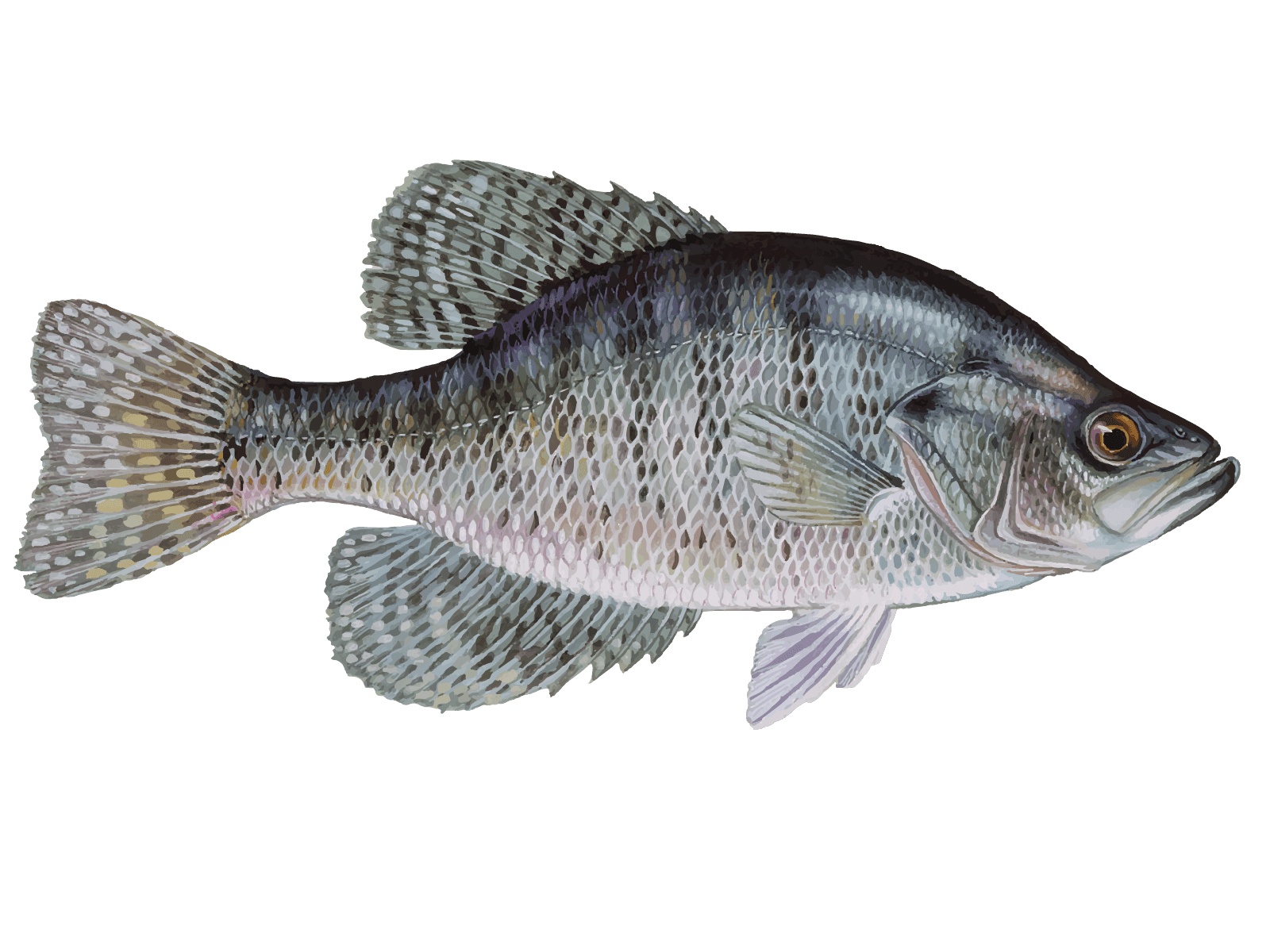
Crappie
Crappies are schooling panfish that run 7-12 inches and about a pound on average. You'll find both black and white crappie around Otter Tail - blacks prefer clearer water while whites handle murkier conditions. They love hanging around brush piles, fallen timber, and weed edges in 8-20 feet of water. Spring spawn timing is prime, but they bite well into fall when water temps cool down. What makes crappie trips fun is their sweet, flaky white meat - some of the best eating fish we have. They're also great for getting kids hooked on fishing since they're aggressive biters. My go-to trick is using small jigs tipped with minnows, but here's the key - fish them slow and let the jig fall naturally through the school. Once you find one crappie, there's usually a bunch more nearby.
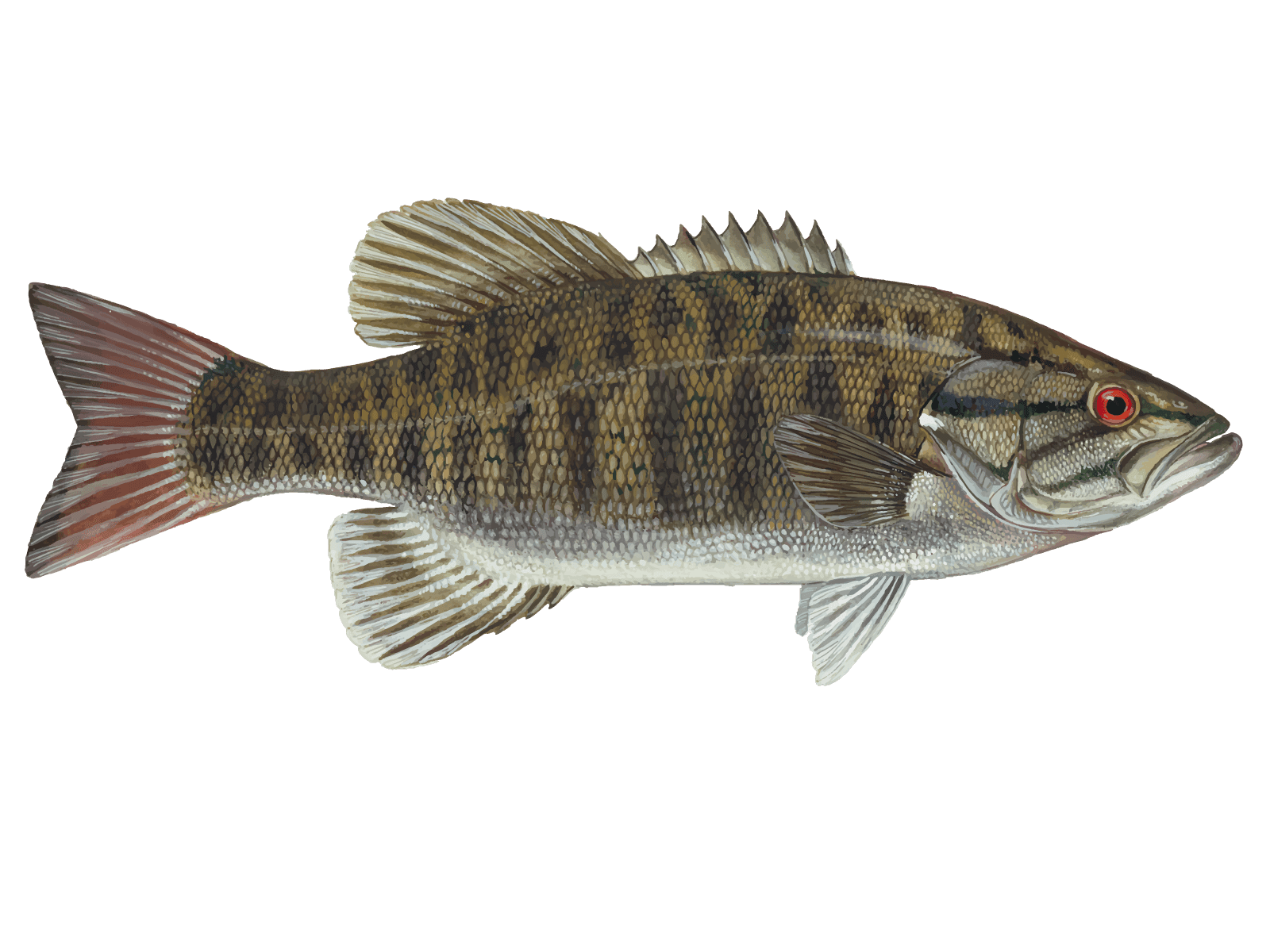
Smallmouth Bass
Smallmouth bass are pound-for-pound fighters that'll test your drag system. These bronze-backed scramblers typically run 12-16 inches around our area lakes, preferring rocky points, boulder fields, and clean gravel bottoms. They're most active in spring and fall when water temps hit that sweet spot, but summer fishing can be good if you target deeper structure. What makes smallmouth special is their attitude - they hit hard and jump like crazy, making every hookup feel bigger than it is. The meat is firm and tasty too, though many folks release them. They love crayfish patterns and tube jigs bounced along the rocks. Here's a local tip: when you're working rocky areas, let your lure hit bottom and hop it just once or twice. Smallmouth often grab it on the fall right after it bounces off a rock.
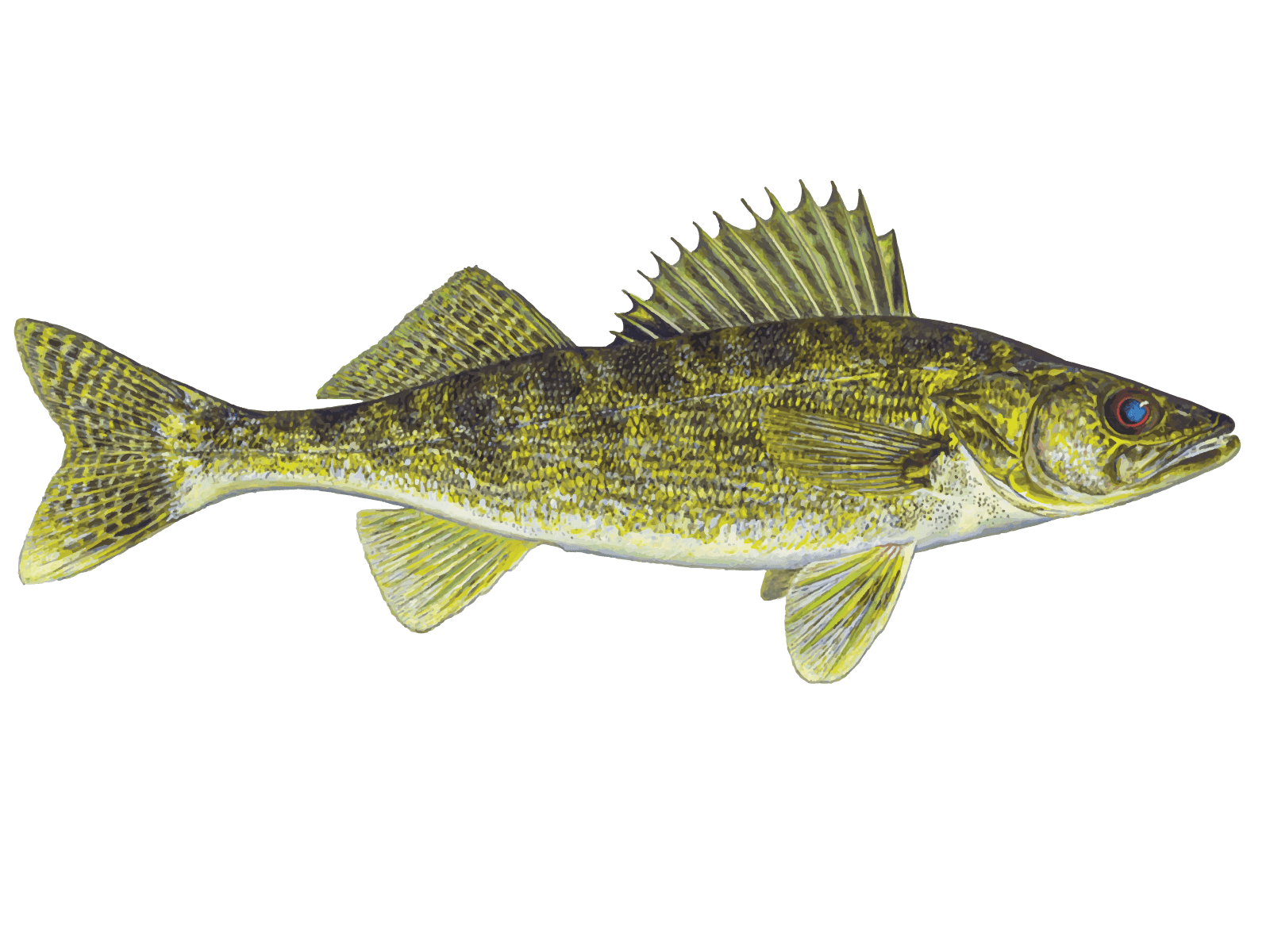
Walleye
Walleye are the gold standard fish around here, running 14-20 inches with that classic golden-olive color and glassy eyes. Those eyes aren't just for show - they help walleye hunt in low light, which is why our night trips are so productive. During the day they hang deep along rock piles, break lines, and weed edges, but move shallow after dark to feed. The bite stays consistent from opener in May through October on Otter Tail. What keeps guests coming back is the combination of steady action and table fare - walleye fillets are firm, mild, and cook up perfect. They're not huge fighters, but they're smart and can be picky. My best advice: keep your bait moving slow along the bottom. A subtle lift-and-drop with a jig and minnow works better than dragging it steady.
About the Ottertail Tail
%2F%2Fusers%2F248f5f38-93f6-4fb0-ad03-084501807575%2Fvehicle_picture%2F2025-lund-1775-lund-pro-guide-tiller-power-9484561-966291106-0-130320250442-1.webp&w=1920&q=75)
Vehicle Guest Capacity: 2
Manufacturer Name: Mercury
Maximum Cruising Speed: 15
Number of Engines: 1
Horsepower per Engine: 250